Researchers at UMSL are mapping paper wasp nests across St. Louis. Every sighting you report goes directly into our dataset β no expertise required.
Takes 60 seconds. Your report goes straight into our research database β and onto the leaderboard and map for everyone to see.
Found anywhere in the St. Louis metro β your backyard, a park, your building eave. Not sure if it's a paper wasp? Check the ID guide below or just submit anyway β we'll verify.
Auto-filled to today β change if you saw it earlier.
Early in the season (spring), this often equals the number of foundresses (queens) who started the nest.
π± Mobile users can take a photo directly. Helps us verify the species. Max 10MB.
Every reported sighting plotted across the city. Which neighborhoods are blank? Help us fill them in.
Everyone can earn recognition β not just the top 3. Click any badge to learn a wasp fact.
Fear is the biggest barrier to reporting. Here's a quick visual guide β and a safety checklist.
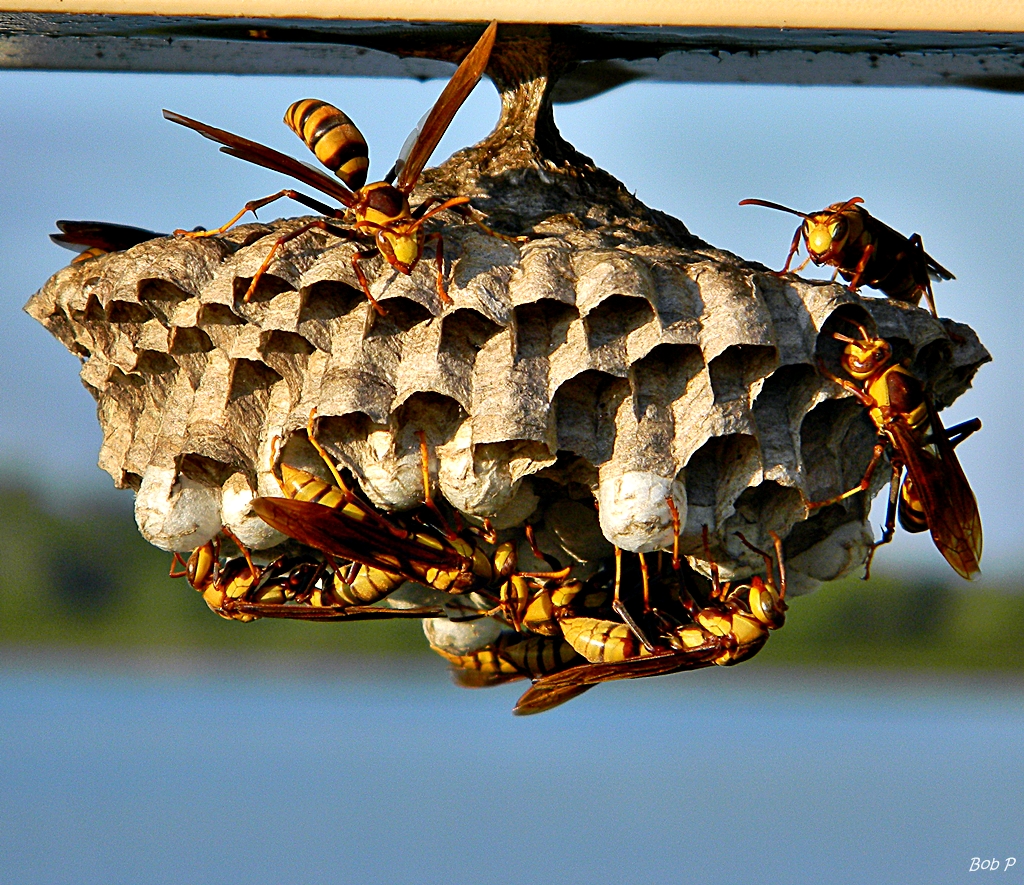
Open, umbrella-shaped comb nest β looks like grey paper. Usually on eaves, fences, or shrubs. No outer shell.
Slender body, long dangling legs in flight. Generally not aggressive.
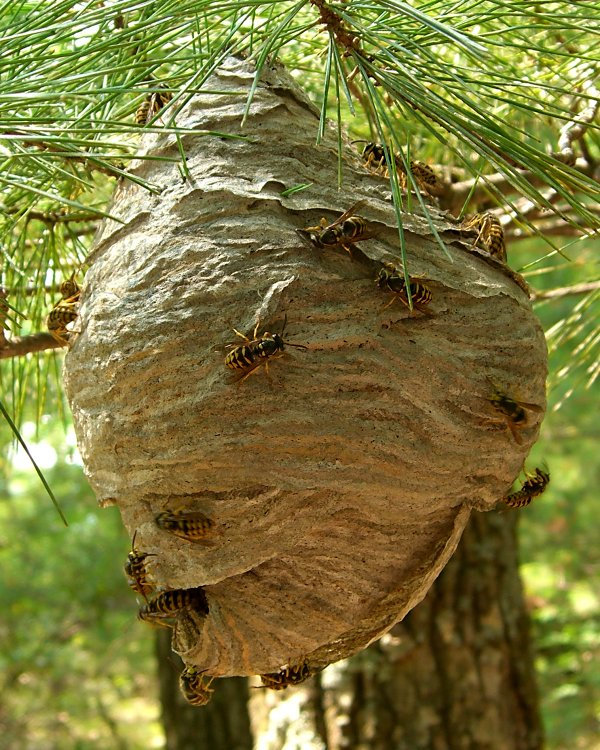
Enclosed, papery nest β football-shaped, often underground or in wall voids. Single entry hole. More aggressive than paper wasps.
Stocky yellow & black body. Still worth reporting the location!
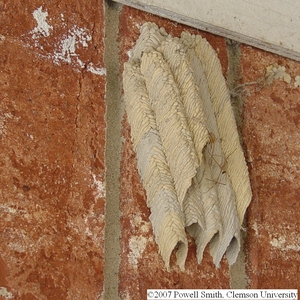
Hardened mud tubes or "organ pipes" plastered against walls or ceilings. Solitary, very rarely stings. Usually metallic blue or black.
Not social, but still interesting β please report!
Paper wasps are everywhere in St. Louis β and scientists at UMSL are using them to answer big questions about nature, cities, and climate.
St. Louis summers are brutal. We study how paper wasps cope with extreme heat β measuring thermal limits and how nest location affects colony survival. Your sightings show us where wasps are making it work.
We're building the first detailed map of Polistes distribution across St. Louis neighborhoods. Which parks? Which buildings? Every location you report fills in a blank on that map.
We use molecular tools to figure out what wasps eat and how species interact across the city. Nest locations help us sample the right colonies and understand who's thriving where.
No science background needed. If you can spot a nest, you can contribute to real research.
Paper wasp nests look like upside-down grey paper combs. Common on eaves, fences, bushes β especially spring through fall.
Fill in the quick form. Name, location, and the safety pledge. Takes 60 seconds. Use GPS for an exact pin.
Leave an email and we may contact you about visiting the nest for collection. You'll be credited as a research contributor.
Every sighting unlocks milestones. Click any badge to read a real scientist's note about paper wasp biology.
This community science project is run by researchers at the Social Insect Diversity Lab, University of MissouriβSt. Louis. We study the evolution, behavior, and ecology of paper wasps.
Full lab site β publications, team, and research details